

Comprehensive Overview
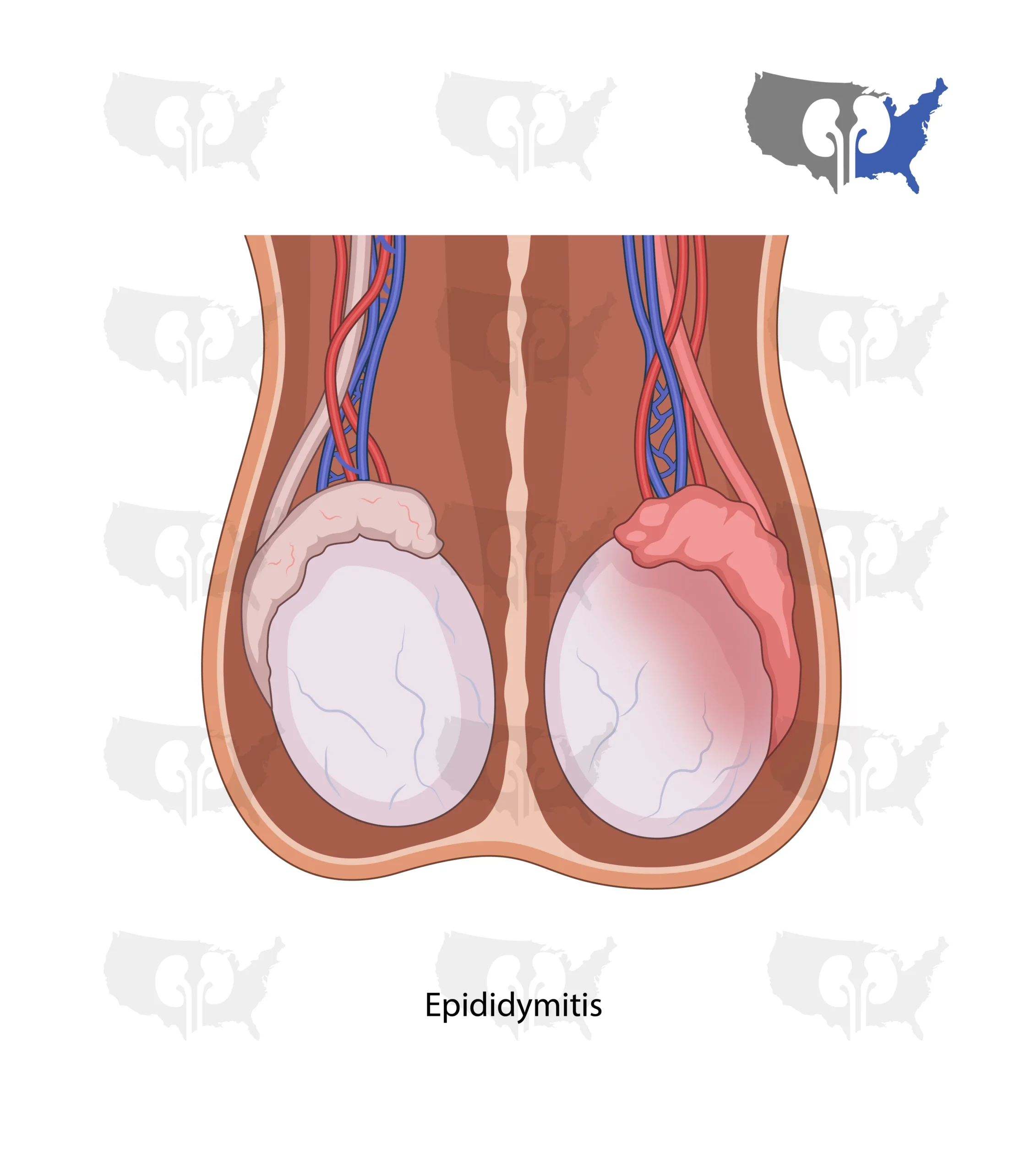
Epididymitis is an inflammation of the epididymis, a coiled tube located at the back of the testicles that stores and carries sperm. This condition can cause pain, swelling, and discomfort in the scrotum. It is most commonly seen in men between the ages of 14 and 35 and can be acute (with sudden symptoms) or chronic (with persistent or recurring symptoms).
At Crossroads Urology, we specialize in diagnosing and treating epididymitis, helping patients manage symptoms and prevent complications.
Symptoms of Epididymitis
- Scrotal pain and tenderness, typically on one side
- Swelling or redness of the scrotum
- Testicular pain or discomfort
- Painful urination or ejaculation
- Blood in the semen
- Lower abdominal or groin pain
- Fever and chills
Causes of Epididymitis
Epididymitis is often caused by bacterial infections, including:
- Sexually transmitted infections (STIs): STIs like gonorrhea or chlamydia are common causes of epididymitis, particularly in younger men.
- Urinary tract infections (UTIs): Bacteria from the urinary tract can spread to the epididymis.
Other potential causes include:
- Viral infections: The mumps virus is a known cause of epididymitis.
- Trauma or injury: Injury to the scrotum or groin area can trigger inflammation.
- Urinary reflux: A condition where urine flows backward into the epididymis can cause inflammation.
- Certain medications: Medications like amiodarone (used for heart conditions) have been linked to epididymitis in rare cases.
Diagnosis
At Crossroads Urology, diagnosis of epididymitis may include:
- Medical history review: Including recent infections or injury.
- Physical examination: Of the scrotum and surrounding area.
- Urinalysis and blood tests: To detect infections or inflammation.
- Imaging studies: Ultrasound may be used to assess the severity of the condition and rule out other issues like testicular torsion.
Treatment Options
Treatment for epididymitis depends on the underlying cause and the severity of symptoms. Options include:
- Antibiotics: If a bacterial infection is the cause, antibiotics are prescribed to treat the infection. It’s important to complete the full course of antibiotics even if symptoms improve.
- Anti-inflammatory medications: Nonsteroidal anti-inflammatory drugs (NSAIDs), such as ibuprofen or naproxen, can help reduce pain and swelling.
- Supportive measures: Elevating the scrotum, using a scrotal support, and applying cold packs can provide relief and reduce swelling.
- Rest: Limiting physical activity and avoiding heavy lifting can promote healing and prevent further injury.
- Pain management: In more severe cases, prescription pain medications may be necessary.
Prevention
To reduce the risk of developing epididymitis, consider the following steps:
- Practice safe sex: Use condoms and get regular STI screenings to prevent infections that can lead to epididymitis.
- Maintain good hygiene: Regular cleaning of the genital area can prevent bacterial infections.
- Avoid prolonged pressure on the scrotum: Limit activities that put excessive pressure on the scrotum, like biking or horseback riding, and use proper cushioning if needed.
- Empty the bladder completely: Regular urination helps prevent UTIs and urinary reflux.
Expert Care at Crossroads Urology
If you are experiencing symptoms of epididymitis, it is important to consult with Crossroads Urology. Early diagnosis and treatment can help prevent complications, such as abscesses, testicular damage, or infertility.