

Comprehensive Overview
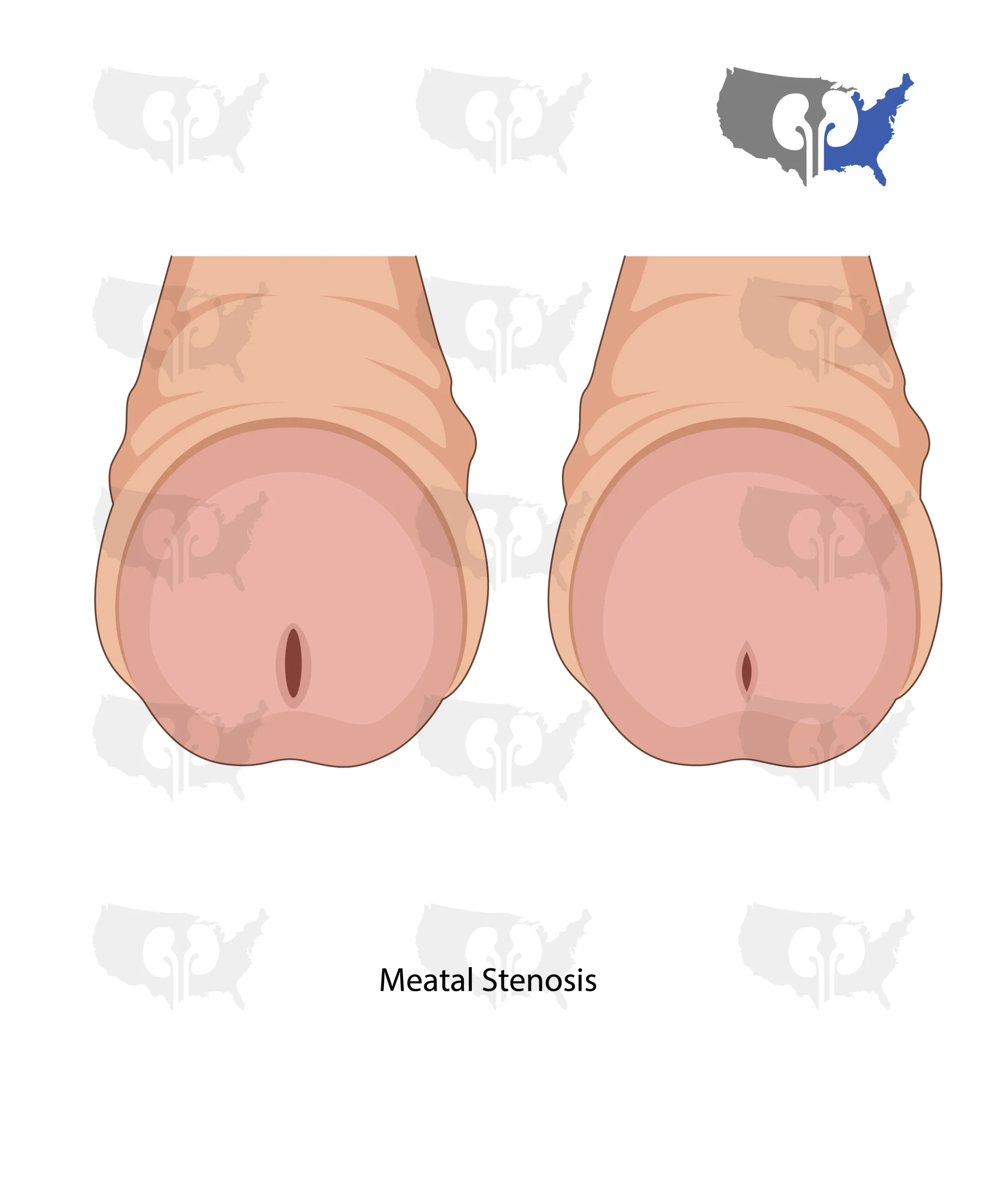
Meatal stenosis is a condition in which the opening of the urethra, called the meatus, becomes narrowed. This narrowing can affect the flow of urine, leading to discomfort and urinary symptoms. Meatal stenosis most commonly occurs in boys and men, often as a result of inflammation or scarring following circumcision or other penile surgeries. While the condition is less common in females, it can still occur in rare cases.
At Crossroads Urology, we provide expert diagnosis and treatment for meatal stenosis, offering effective solutions to relieve symptoms and improve urinary function.
Symptoms of Meatal Stenosis
- A narrow or weak urine stream
- Spraying of urine or difficulty directing the urine stream
- Straining or discomfort while urinating
- Prolonged urination time
- Incomplete bladder emptying
- Pain or discomfort during urination
- Increased frequency of urination
- In boys, the need to sit while urinating
Causes of Meatal Stenosis
The most common causes of meatal stenosis include:
- Circumcision: Meatal stenosis is more common in circumcised males, likely due to inflammation or irritation of the meatus following surgery.
- Trauma or injury: Injury to the urethra or meatus can lead to scarring and narrowing.
- Chronic irritation: Repeated irritation from wet diapers or urinary catheter use may contribute to the development of meatal stenosis.
- Inflammation: Infections or conditions that cause inflammation of the penile tissues may result in scarring that leads to stenosis.
Diagnosis
To diagnose meatal stenosis, your Crossroads Urology provider will:
- Conduct a physical examination of the genital area to assess the size and shape of the urethral opening.
- Ask about your urinary symptoms and medical history.
- In some cases, a urine flow test may be performed to measure the rate of urine flow and check for obstruction.
Treatment Options
Treatment for meatal stenosis is aimed at restoring normal urine flow and relieving symptoms. Options include:
- Meatotomy: This is the most common procedure used to treat meatal stenosis. It involves making a small incision to widen the urethral opening and restore normal urine flow. This is usually performed under local anesthesia in an outpatient setting.
- Dilation: In mild cases, the urethral opening can be manually dilated (stretched) to relieve symptoms, though this may not be a permanent solution and may require repeated treatments.
- Topical medications: In some cases, medications may be applied to reduce inflammation or irritation around the meatus.
Post-Treatment Care
After treatment for meatal stenosis, it is important to follow your provider’s instructions for post-operative care. This may include:
- Keeping the area clean and dry to promote healing.
- Using pain relievers as prescribed to manage discomfort.
- Attending follow-up appointments to ensure proper healing and resolution of symptoms.
Expert Care at Crossroads Urology
If you or your child is experiencing symptoms of meatal stenosis, consult with Crossroads Urology. Our team offers specialized care to diagnose and treat this condition, providing relief from symptoms and improving quality of life.