

Comprehensive Overview
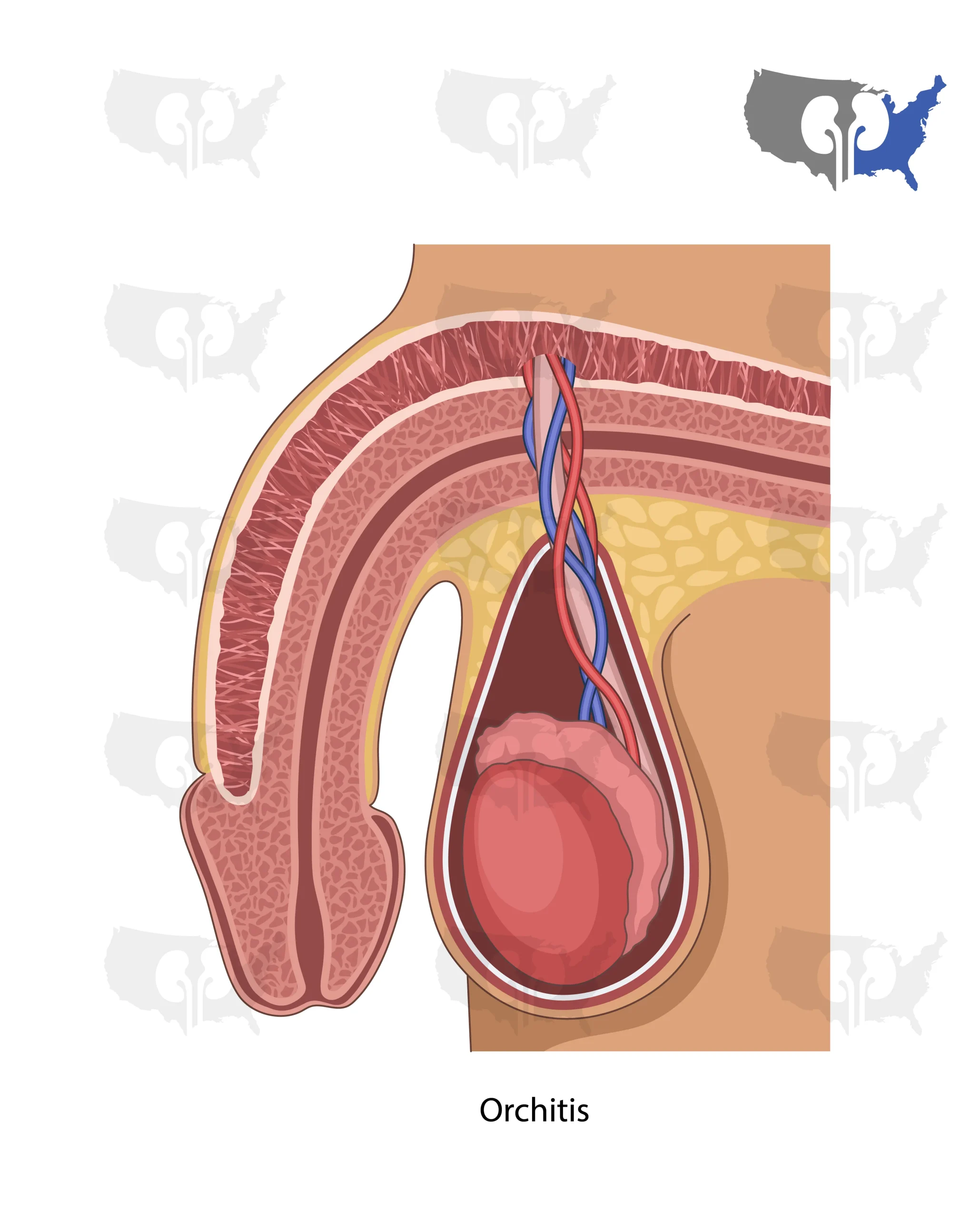
Orchitis refers to the inflammation of one or both testicles, often causing pain, swelling, and discomfort in the scrotum. While it can affect men of all ages, orchitis is most commonly seen in young adults and may result from infections, trauma, or other underlying conditions. Prompt diagnosis and treatment are essential to prevent complications and preserve testicular function.
At Crossroads Urology, we provide expert care in diagnosing and managing orchitis, tailoring treatment plans to meet each patient’s unique needs.
Symptoms of Orchitis
- Severe pain and tenderness in one or both testicles
- Swelling and redness of the scrotum
- Painful urination or ejaculation
- Blood in the semen
- Fever, chills, and general malaise
- Nausea and vomiting
- Groin or lower abdominal pain
Causes of Orchitis
Orchitis can result from various causes, with infections being the most common. These include:
- Mumps virus: A leading viral cause, affecting up to one-third of males with mumps after puberty.
- Sexually transmitted infections (STIs): Bacterial infections like chlamydia and gonorrhea can lead to orchitis, particularly in sexually active men.
- Urinary tract infections (UTIs): Infections in the urinary tract can spread to the testicles, causing inflammation.
- Other causes: Trauma to the testicles, autoimmune disorders, or systemic conditions such as Henoch-Schönlein purpura can also contribute to orchitis.
Diagnosis
To diagnose orchitis, your provider at Crossroads Urology will conduct a thorough evaluation, including:
- Medical history and physical examination: To identify risk factors and assess the extent of swelling or tenderness in the scrotum.
- Urinalysis and urine culture: To detect bacterial infections or other abnormalities.
- Blood tests: To identify signs of infection or inflammation.
- Scrotal ultrasound: To evaluate the testicles, rule out conditions like testicular torsion, and confirm the diagnosis.
Treatment Options
Treatment for orchitis depends on its cause, severity, and duration. Common approaches include:
- Antibiotics: For bacterial infections, a full course of antibiotics is necessary to eliminate the infection and prevent complications.
- Anti-inflammatory medications: Over-the-counter NSAIDs like ibuprofen or naproxen can help reduce pain and inflammation.
- Supportive measures: Elevating the scrotum, wearing supportive underwear, and applying cold packs can alleviate swelling and discomfort.
- Rest and pain management: Limiting physical activity and using prescribed pain relievers when necessary can aid recovery.
Preventing Orchitis
While not all cases of orchitis are preventable, these steps can reduce your risk:
- Vaccination: Ensure up-to-date MMR (measles, mumps, rubella) vaccination to prevent mumps-related orchitis.
- Safe sexual practices: Using condoms and undergoing regular STI testing can help prevent sexually transmitted infections.
- Good hygiene: Regular cleaning of the genital area reduces the risk of bacterial infections.
- Protective measures: Wearing a protective cup during sports or activities that pose a risk of testicular injury.
Expert Care at Crossroads Urology
If you are experiencing symptoms of orchitis, it’s important to seek medical care promptly. At Crossroads Urology, our dedicated team provides comprehensive evaluation and personalized treatment to alleviate symptoms and prevent complications such as abscess formation, testicular atrophy, or infertility.