

Comprehensive Overview
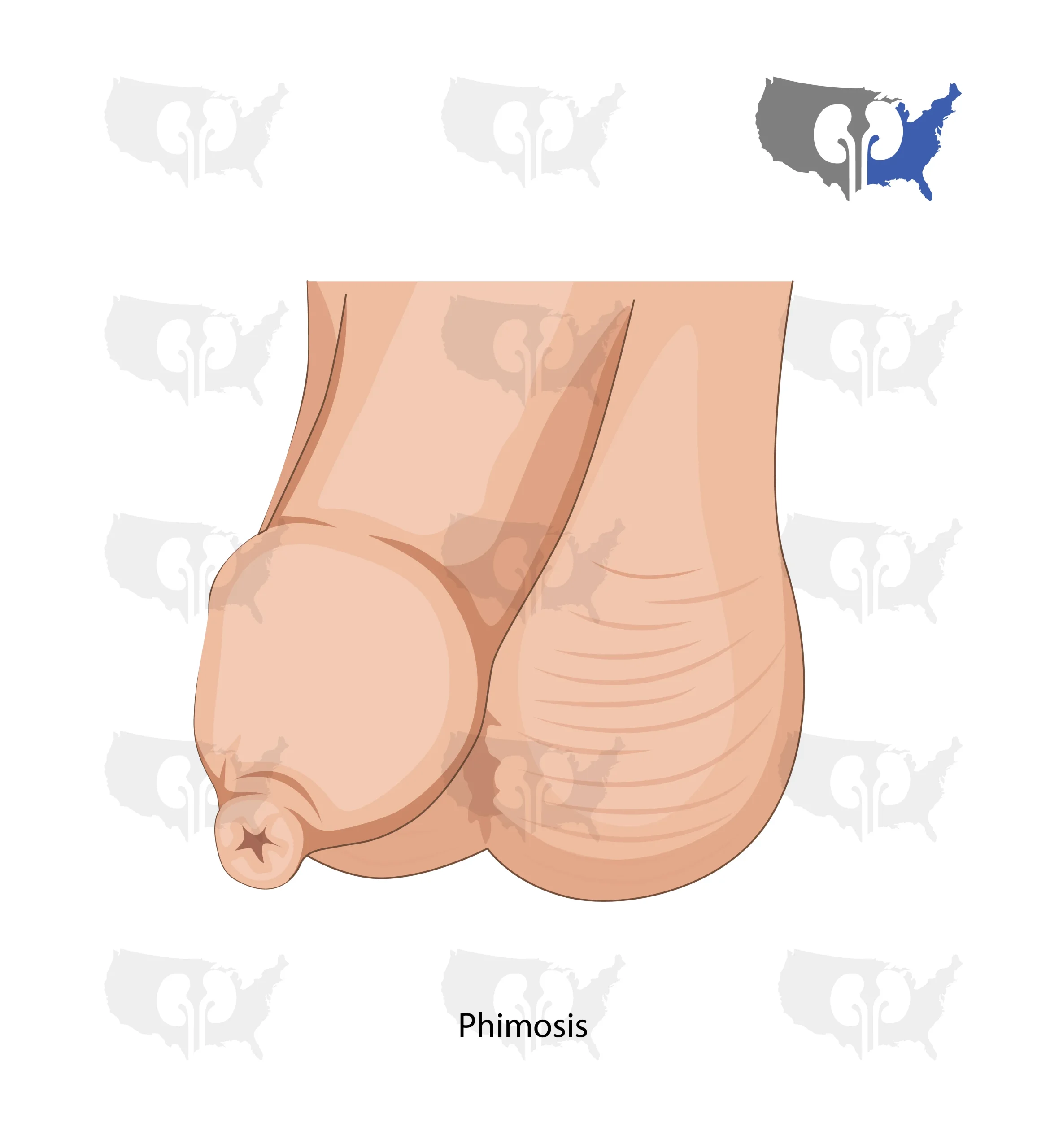
Phimosis is a condition where the foreskin of the penis cannot be fully retracted over the glans (head) of the penis. This can affect men and boys, either as a natural part of development (physiological phimosis) or as a result of scarring or inflammation (pathological phimosis). Phimosis can lead to hygiene challenges, discomfort, and complications if left untreated.
At Crossroads Urology, we provide expert care to diagnose and manage phimosis, ensuring the best outcomes for our patients.
Types of Phimosis
- Physiological phimosis: Common in newborns and young children, where the foreskin is naturally adherent to the glans. This type typically resolves on its own by adolescence.
- Pathological phimosis: Occurs in older children and adults due to scarring, infection, or inflammation of the foreskin.
Symptoms of Phimosis
- Difficulty retracting the foreskin: The primary sign of phimosis is the inability to pull the foreskin back over the glans.
- Pain or discomfort: Phimosis can cause pain during urination, erections, or sexual activity.
- Recurrent infections: Poor hygiene due to an unretractable foreskin may lead to infections, such as balanitis (inflammation of the glans) or balanoposthitis (inflammation of both the glans and foreskin).
- Urinary problems: Severe phimosis may result in a weak urinary stream, spraying, or even urinary retention.
Causes of Phimosis
- Infections and inflammation: Repeated infections or conditions like balanitis can cause scarring.
- Trauma: Injury to the foreskin can lead to fibrosis and narrowing.
- Lichen sclerosus: A chronic inflammatory condition that can cause thickening and scarring of the foreskin.
- Hygiene issues: Inadequate cleaning under the foreskin may lead to inflammation and scarring.
Diagnosis
Diagnosis of phimosis involves a thorough evaluation by your provider at Crossroads Urology, which may include:
- Medical history: To identify potential risk factors or prior infections.
- Physical examination: To assess the foreskin’s flexibility and check for signs of infection, inflammation, or scarring.
Treatment Options
Treatment depends on the severity of the condition and the patient’s symptoms. Options include:
- Observation: For physiological phimosis in children, monitoring without intervention may be sufficient, as the condition often resolves naturally.
- Topical steroids: Applying corticosteroid creams can help soften the foreskin and reduce inflammation, improving retraction.
- Gentle manual stretching: Guided by a healthcare provider, gentle stretching exercises may help widen the foreskin opening.
- Surgical intervention:
- Circumcision: The most common surgical treatment for severe or recurrent phimosis, involving the removal of the foreskin.
- Preputioplasty: A less invasive alternative that widens the foreskin without complete removal.
- Dorsal slit procedure: Involves making a small incision to relieve constriction in emergency situations.
Preventing Phimosis
- Good hygiene: Regular cleaning of the foreskin and glans can help prevent infections and scarring.
- Prompt treatment of infections: Early management of conditions like balanitis can reduce the risk of pathological phimosis.
- Avoid forceful retraction: Especially in children, forcing the foreskin back can cause injury and scarring.
Expert Care at Crossroads Urology
If you or your child is experiencing symptoms of phimosis, consult the specialists at Crossroads Urology. Our experienced team provides personalized care and treatment options to address the condition and improve quality of life.