

Comprehensive Overview
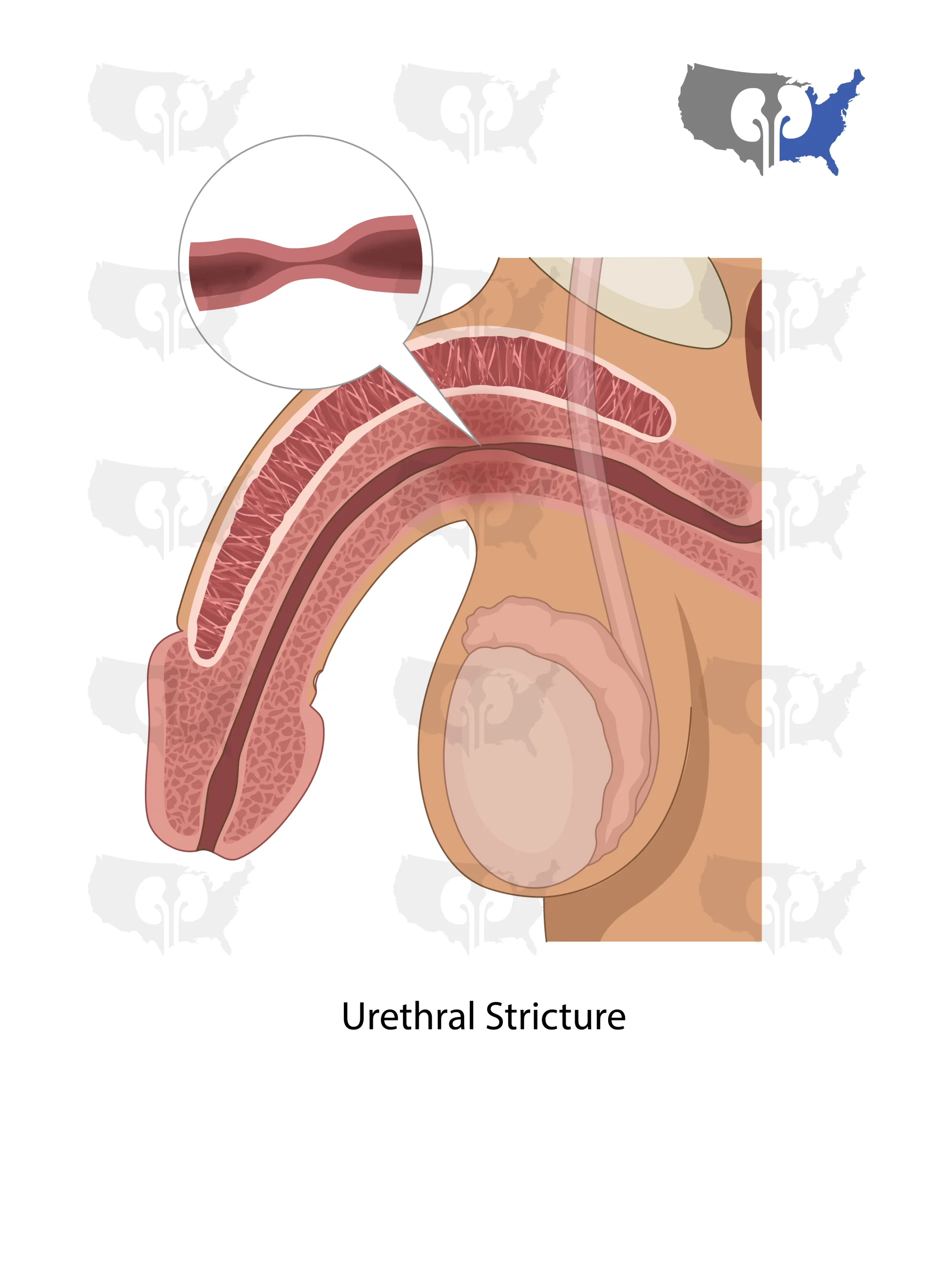
A urethral stricture is a narrowing of the urethra caused by scarring, inflammation, or injury, leading to difficulties with urination. This condition can significantly impact quality of life and, if left untreated, may result in serious complications such as infections or kidney damage. At Crossroads Urology, we provide expert diagnosis and a range of advanced treatments to restore normal urinary flow and improve patient outcomes.
Symptoms of Urethral Stricture
- Weak or slow urine stream.
- Difficulty starting or stopping urination.
- Frequent urination, especially at night.
- Pain or discomfort during urination.
- Incomplete bladder emptying.
- Post-void dribbling or urinary retention.
- Recurrent urinary tract infections (UTIs).
If you experience these symptoms, the team at Crossroads Urology can evaluate your condition and recommend effective treatment options.
Causes and Risk Factors
Urethral strictures may develop due to:
- Infections: UTIs or sexually transmitted infections (STIs) that cause urethral inflammation and scarring.
- Injury or trauma: Pelvic fractures, direct injury to the urethra, or penile trauma.
- Medical procedures: Catheter insertion, cystoscopy, or prostate surgery can result in scarring.
- Congenital abnormalities: Some individuals are born with a narrower urethra, increasing the risk of stricture formation.
At Crossroads Urology, we carefully assess the cause of the stricture to provide targeted treatment.
Diagnosis
Diagnosing urethral stricture at Crossroads Urology involves:
- Medical history and physical examination: Evaluating symptoms and identifying potential risk factors.
- Urinalysis: To rule out infection or other urinary conditions.
- Imaging studies: Ultrasound, X-rays, or MRI to visualize the stricture.
- Urethroscopy: Using a thin, flexible camera to directly examine the urethra.
Treatment Options
Treatment is based on the severity, location, and extent of the stricture:
- Urethral dilation: Gradually widening the narrowed area with a thin, flexible tube.
- Urethrotomy: Making a small incision in the stricture using a cystoscope to relieve narrowing.
- Urethroplasty: Surgical reconstruction of the urethra, removing scarred tissue and repairing with grafts when necessary.
- Catheterization: Temporary or permanent catheter placement to relieve urinary obstruction.
At Crossroads Urology, we use minimally invasive techniques and advanced surgical procedures to provide the best outcomes for our patients.
Preventing Complications
Early diagnosis and treatment are essential to prevent complications such as chronic UTIs, kidney damage, or bladder dysfunction. Regular follow-ups at Crossroads Urology ensure optimal management and long-term success.
Expert Care at Crossroads Urology
If you are experiencing symptoms of a urethral stricture, trust the experts at Crossroads Urology for comprehensive and compassionate care. Contact us today to schedule a consultation and explore the most effective treatment options for your needs.