

Comprehensive Overview
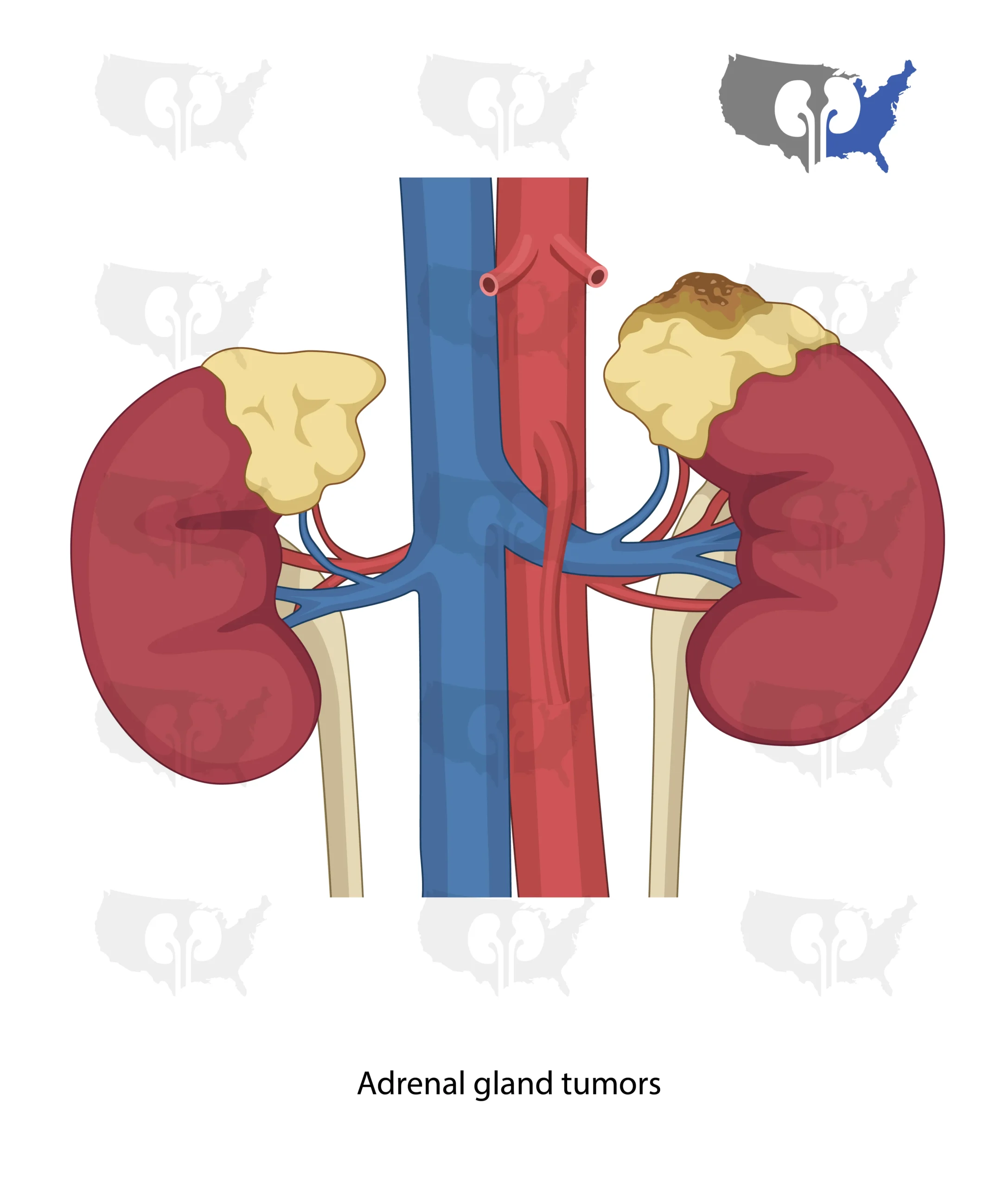
Adrenal tumors are abnormal growths that develop in the adrenal glands, small triangular glands located on top of the kidneys. These glands are responsible for producing essential hormones such as cortisol, aldosterone, and adrenaline. Adrenal tumors can be either benign (non-cancerous) or malignant (cancerous), causing a variety of symptoms depending on the type of tumor and the hormones it produces.
This overview will cover the different types of adrenal tumors, their evaluation, and the appropriate treatments, all of which Crossroads Urology specializes in.
Types of Adrenal Tumors
- Adenomas: These are benign tumors and the most common type of adrenal tumors. Adenomas often do not cause symptoms and are typically discovered incidentally during imaging for other reasons. However, if they are large or hormonally active, they may require surgical removal.
- Pheochromocytomas: Rare and usually benign, these tumors originate from the adrenal medulla, the part responsible for producing adrenaline. Pheochromocytomas can lead to high blood pressure, rapid heartbeat, sweating, and anxiety. Treatment often involves surgery, with medications used preoperatively to control symptoms.
- Adrenocortical Carcinoma: A rare and aggressive cancer arising from the adrenal cortex, which can lead to excessive hormone production (cortisol or aldosterone). Treatment includes surgery, chemotherapy, and possibly radiation therapy.
- Cushing’s Syndrome: Caused by an adrenal tumor that produces too much cortisol, leading to weight gain, high blood pressure, and diabetes. Treatment may involve surgery, radiation therapy, or medications.
- Conn’s Syndrome: This results from an adrenal tumor producing excessive aldosterone, leading to high blood pressure and low potassium. Surgery is often required, and medications may be necessary preoperatively to control blood pressure.
Evaluation of Adrenal Mass
When an adrenal mass is discovered, a thorough evaluation is needed to determine its nature and whether treatment is necessary. At Crossroads Urology, this evaluation typically includes:
- Imaging studies: CT scans, MRI, or ultrasound help assess the size, location, and characteristics of the adrenal mass.
- Hormone tests: Blood and urine tests check hormone levels to determine if the tumor is hormonally active.
- Functional imaging: Nuclear medicine scans, such as MIBG or PET scans, assess metabolic activity to differentiate benign from malignant tumors.
Treatment Options
The appropriate treatment depends on the type, size, location, and hormonal activity of the tumor. Options include:
- Surgery: Either open surgery or minimally invasive techniques like laparoscopic or robotic-assisted surgery are used to remove adrenal tumors at Crossroads Urology.
- Medications: These may be used to control symptoms or reduce hormone production before surgery.
- Radiation therapy: High-energy X-rays or radiation are sometimes used to destroy cancer cells, especially in adrenocortical carcinoma cases.
- Chemotherapy: In more aggressive cancers, anti-cancer drugs are used to target and kill cancer cells.
Adrenal tumors vary in their presentation and severity, making it essential for patients and providers at Crossroads Urology to collaborate closely to determine the best course of action. Early detection and timely intervention significantly improve outcomes.
Conclusion
In conclusion, adrenal tumors encompass a wide range of growths, each with unique characteristics and treatment approaches. Crossroads Urology is dedicated to providing comprehensive and compassionate care to ensure each patient receives the best possible treatment. Our team is here to support you through diagnosis, treatment, and recovery, ensuring the most appropriate and individualized treatment plans for your situation.