

Comprehensive Overview
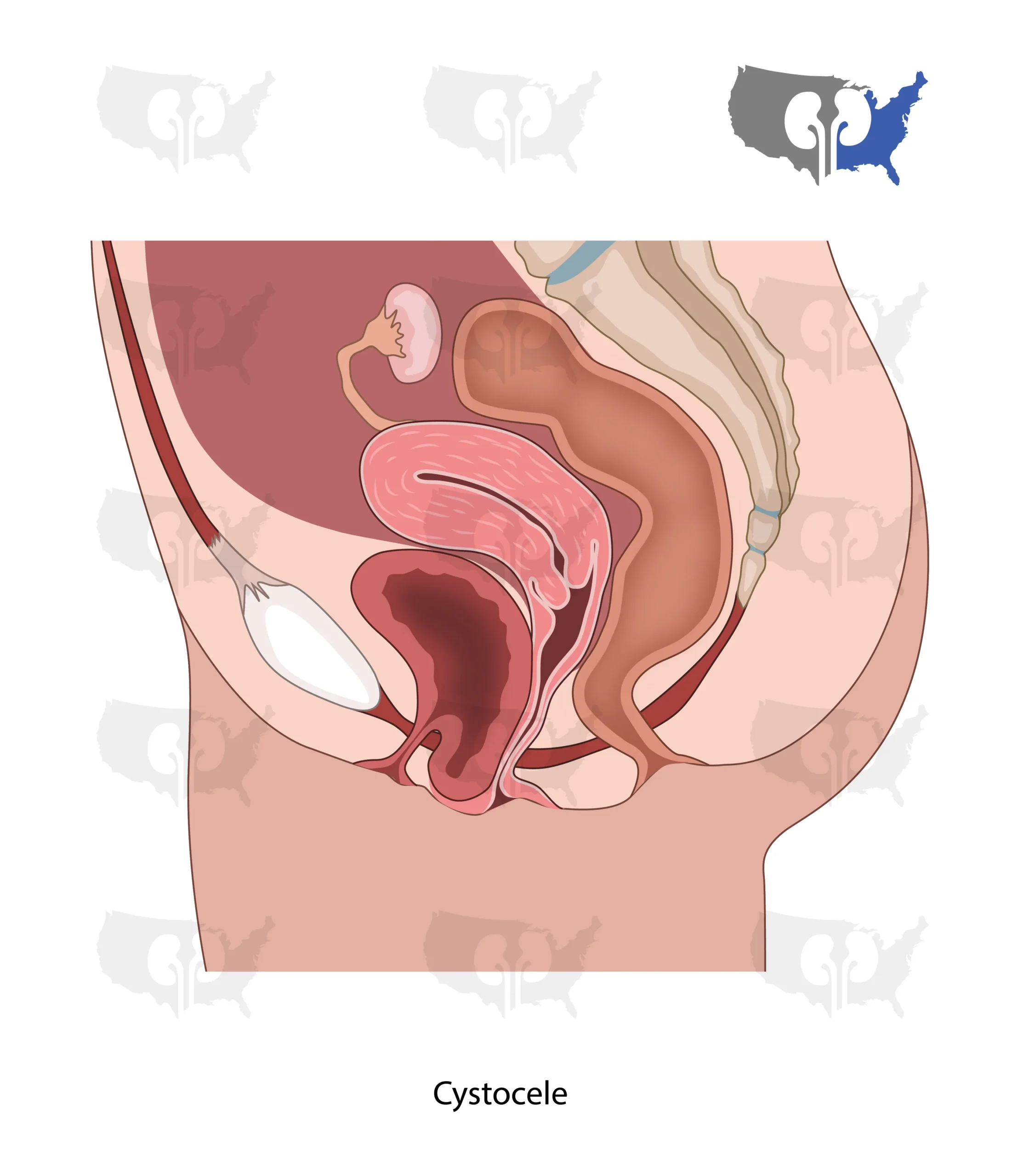
A cystocele, also known as a prolapsed bladder or anterior vaginal wall prolapse, occurs when the bladder descends into the vagina due to weakened pelvic floor muscles and ligaments. This condition can cause discomfort, urinary problems, and other symptoms that significantly affect a woman’s quality of life.
At Crossroads Urology, we offer comprehensive evaluation and treatment for women with cystocele, ensuring personalized care and advanced treatment options.
Symptoms of a Cystocele
- A feeling of pressure or heaviness in the pelvic area
- A bulging sensation or visible bulge in the vagina
- Frequent or urgent need to urinate
- Difficulty completely emptying the bladder
- Stress incontinence (leaking urine when coughing, laughing, or exercising)
- Pain or discomfort during sexual activity
- Recurrent urinary tract infections
Risk Factors for a Cystocele
- Pregnancy and childbirth: Vaginal deliveries, particularly those involving prolonged labor or large babies, can weaken the pelvic muscles and ligaments.
- Age: The risk of developing a cystocele increases with age, especially after menopause, when estrogen levels decline.
- Obesity: Excess body weight puts additional pressure on the pelvic floor muscles.
- Hysterectomy: Removal of the uterus can weaken pelvic support structures, increasing the risk of cystocele.
- Chronic conditions: Chronic constipation, coughing, or conditions that strain the pelvic floor muscles can contribute to cystocele development.
- Heavy lifting: Regular heavy lifting or intense physical activity can increase pressure on the pelvic floor.
Diagnosis
At Crossroads Urology, the diagnosis of a cystocele typically includes:
- Medical history review
- Physical examination
- Imaging studies: Ultrasound or other imaging may be used to assess the severity of the prolapse.
Treatment Options
Treatment for a cystocele depends on the severity of the condition and the patient’s overall health. Options include:
- Conservative management: For mild cases, lifestyle changes, pelvic floor exercises (Kegel exercises), or the use of a vaginal pessary (a device inserted to support the bladder) may alleviate symptoms.
- Medications: Estrogen therapy may help strengthen pelvic muscles and reduce symptoms, particularly in postmenopausal women.
- Surgery: In more severe cases, surgical repair may be necessary. Options include:
- Anterior colporrhaphy: Repairing the weakened vaginal wall by suturing it to support the bladder.
- Sacral colpopexy: This procedure uses mesh to attach the top of the vagina to the sacrum (lower spine), providing additional support to prevent recurrence of the prolapse.
- Mesh or graft materials: These may be used to provide added support to the vaginal wall.
Preventing Cystocele
While it may not be possible to prevent cystocele entirely, certain steps can help reduce the risk:
- Pelvic floor exercises: Regularly perform Kegel exercises to strengthen the muscles that support the bladder.
- Maintain a healthy weight: Reducing excess body weight helps relieve pressure on the pelvic floor.
- Avoid heavy lifting: Reduce activities that place strain on the pelvic muscles.
- Manage chronic conditions: Seek treatment for chronic constipation or coughing to avoid excessive straining.
Expert Care at Crossroads Urology
If you are experiencing symptoms of a cystocele, it is important to consult with a provider at Crossroads Urology. Early diagnosis and appropriate treatment, including advanced surgical options like sacral colpopexy, can help prevent complications and improve your quality of life.