

Comprehensive Overview
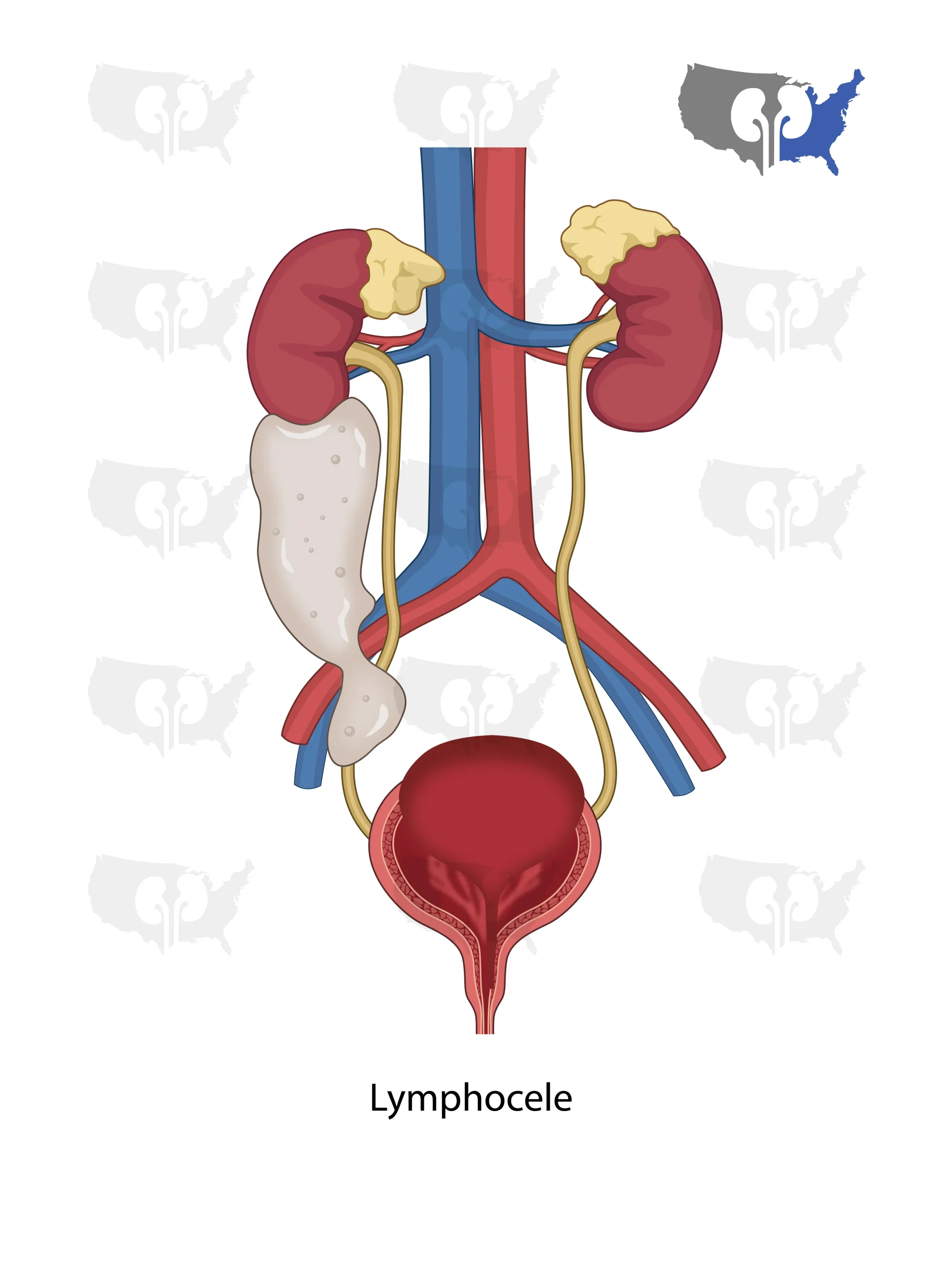
A lymphocele is a collection of lymphatic fluid within a tissue space, often resulting from damage to the lymphatic system. While this condition is typically benign, it can cause discomfort or complications if left untreated. At Crossroads Urology, we specialize in diagnosing and treating lymphoceles to alleviate symptoms and prevent further issues.
Symptoms of Lymphocele
- Swelling in the affected area, often in the lower abdomen or pelvis.
- A feeling of fullness or heaviness in the area.
- Pain or discomfort, particularly if the lymphocele presses on nearby organs or nerves.
- Infection-related symptoms, such as redness, warmth, fever, or chills, if the lymphocele becomes infected.
If you notice these symptoms, the specialists at Crossroads Urology can provide an accurate diagnosis and a personalized treatment plan.
Causes and Risk Factors
Lymphoceles can form due to:
- Surgical procedures: Particularly after pelvic or urologic surgeries, such as lymph node dissection for cancer treatment.
- Trauma: Damage to the lymphatic vessels due to injury.
- Infection: Lymphatic vessel obstruction or inflammation caused by infections.
- Cancer treatments: Radiation therapy or surgeries targeting the lymphatic system.
At Crossroads Urology, we carefully evaluate your medical history and risk factors to identify the underlying cause of a lymphocele.
Diagnosis
Diagnosing a lymphocele at Crossroads Urology involves:
- Medical history and physical examination: Identifying symptoms and assessing the affected area.
- Ultrasound or CT scan: Imaging studies to confirm the presence of a fluid collection and differentiate it from other conditions.
- Aspiration: Extracting fluid from the collection to confirm the diagnosis and rule out infection.
Treatment Options
Treatment depends on the size, location, and symptoms of the lymphocele:
- Observation: Small, asymptomatic lymphoceles may be monitored for changes over time.
- Aspiration or drainage: Removing fluid using a needle or catheter, often guided by imaging.
- Sclerotherapy: Injecting a solution to seal the lymphatic vessel and prevent fluid reaccumulation.
- Surgical removal: In cases of recurrent or large lymphoceles causing significant symptoms or complications.
At Crossroads Urology, we offer advanced, minimally invasive techniques to effectively manage lymphoceles and minimize recovery time.
Preventing Complications
Untreated lymphoceles can lead to infections, pressure on nearby structures, or recurrence of symptoms. Early evaluation and treatment at Crossroads Urology help reduce the risk of complications and ensure optimal outcomes.
Expert Care at Crossroads Urology
If you suspect a lymphocele or experience related symptoms, the team at Crossroads Urology is here to help. Contact us today to schedule a consultation and explore the best treatment options for your needs.