
Comprehensive Overview
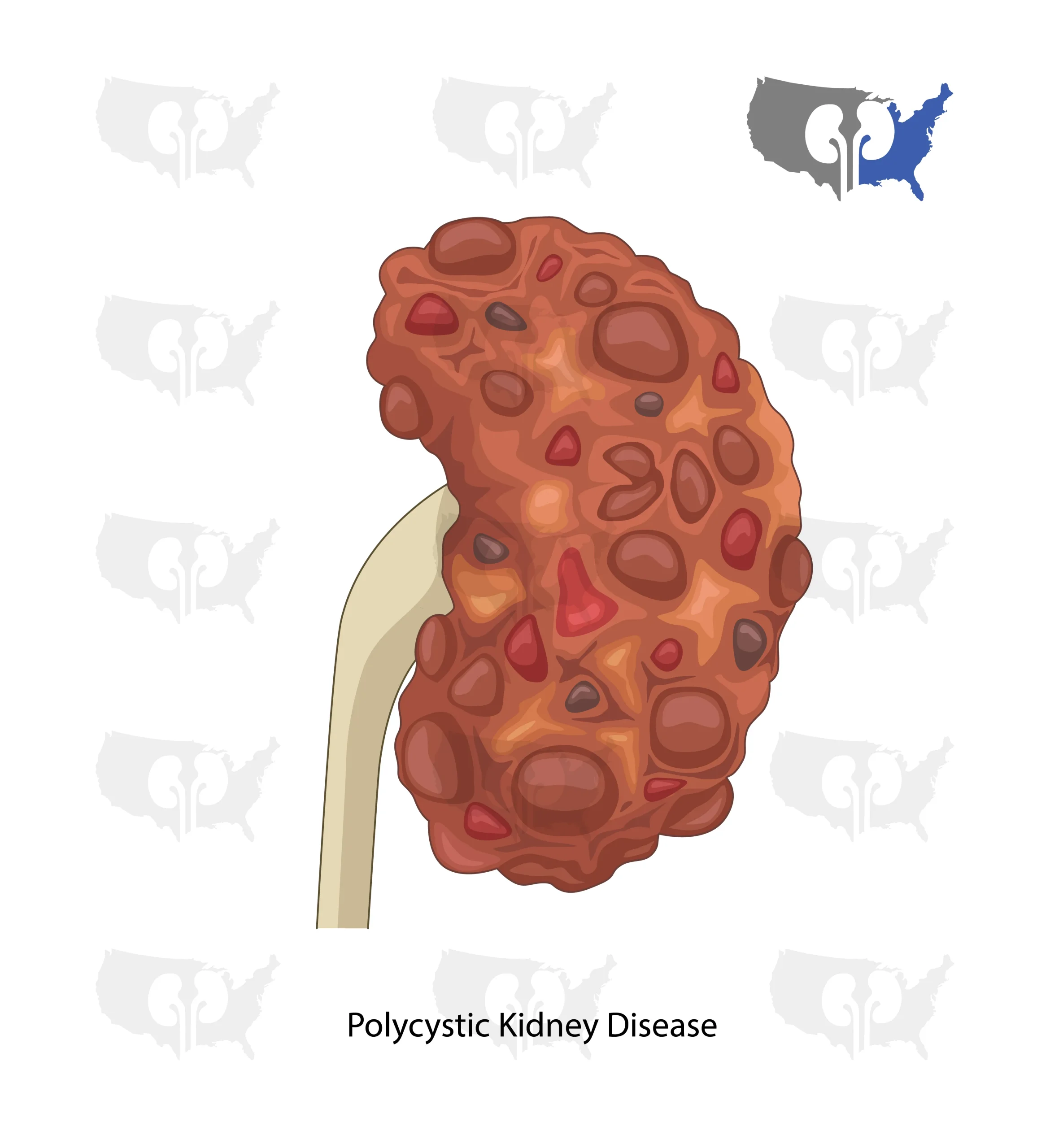
Polycystic kidney disease (PKD) is a genetic disorder characterized by the growth of numerous fluid-filled cysts in the kidneys. Over time, these cysts can damage kidney tissue, leading to chronic kidney disease (CKD) or kidney failure. PKD can affect individuals of all ages and has two primary forms: autosomal dominant PKD (ADPKD) and autosomal recessive PKD (ARPKD).
At Crossroads Urology, we provide expert care for patients with PKD, offering early diagnosis and tailored management plans to preserve kidney function and overall health.
Types of Polycystic Kidney Disease
- Autosomal Dominant PKD (ADPKD): The most common form, affecting approximately 1 in 400 to 1,000 people. Symptoms typically appear in adulthood, between the ages of 30 and 50. A single copy of the mutated gene from either parent is enough to inherit the disease.
- Autosomal Recessive PKD (ARPKD): A rarer form, affecting about 1 in 20,000 to 40,000 live births. Symptoms often present in infancy or childhood, sometimes even before birth. Both parents must carry the gene for their child to inherit the disease.
Symptoms of PKD
Symptoms of PKD vary based on the type and progression of the disease but may include:
- High blood pressure (often the first sign)
- Back or side pain
- Blood in the urine (hematuria)
- Frequent urinary tract infections (UTIs)
- Kidney stones
- Abdominal swelling due to enlarged kidneys
- Headaches, related to aneurysms or high blood pressure
Diagnosis
To diagnose PKD, your provider at Crossroads Urology will use a combination of:
- Medical and family history: To assess genetic risks and symptoms.
- Physical examination: To detect enlarged kidneys or related issues.
- Imaging studies: Ultrasound, CT scans, or MRIs to identify cysts in the kidneys and evaluate their size and number.
- Blood and urine tests: To monitor kidney function and detect signs of CKD.
Treatment Options
While there is no cure for PKD, treatment focuses on managing symptoms and slowing disease progression. Options include:
- Blood pressure control: Medications and lifestyle changes, such as a low-sodium diet and regular exercise, help protect kidney function.
- Pain management: Over-the-counter or prescription medications address pain from cysts or kidney stones.
- Treatment of infections: Antibiotics are prescribed for UTIs to prevent further kidney damage.
- Dialysis or kidney transplant: Required in advanced stages of kidney failure.
- Tolvaptan: A medication that may slow cyst growth in some ADPKD patients.
Managing PKD
Lifestyle changes can play a critical role in managing PKD:
- Healthy diet: A low-sodium, balanced diet supports kidney health.
- Adequate hydration: Drinking enough water can reduce the risk of kidney stones.
- Regular exercise: Maintaining a healthy weight supports overall kidney function.
- Smoking cessation: Avoid smoking to reduce the risk of cardiovascular complications.
- Routine check-ups: Regular monitoring with your provider helps detect and manage complications early.
Expert Care at Crossroads Urology
At Crossroads Urology, we are committed to helping patients with PKD lead healthier lives. Our multidisciplinary team provides comprehensive care to address the unique challenges of PKD, from early diagnosis to advanced treatment options.