

Comprehensive Overview
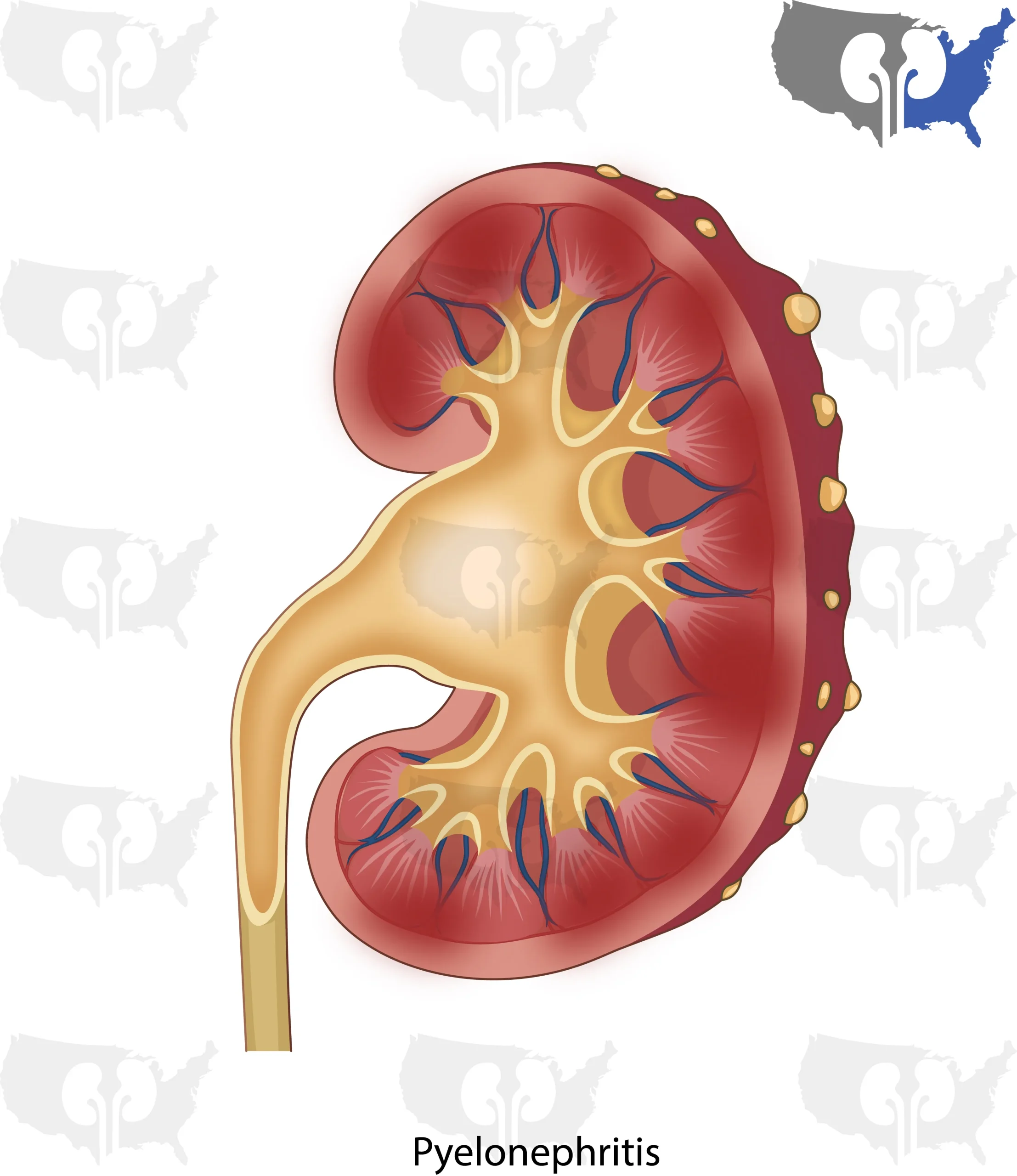
Pyelonephritis is a severe urinary tract infection (UTI) that affects the kidneys, causing inflammation of the renal pelvis and kidney tissue. This condition is typically caused by bacteria, most commonly Escherichia coli (E. coli), which travel from the lower urinary tract to the kidneys. If left untreated, pyelonephritis can lead to serious complications such as kidney damage, sepsis, or abscess formation.
At Crossroads Urology, we provide expert diagnosis and treatment to manage pyelonephritis and prevent long-term kidney damage.
Symptoms of Pyelonephritis
- High fever and chills
- Pain in the lower back or side (flank pain)
- Nausea and vomiting
- Frequent and urgent need to urinate
- Painful urination (dysuria)
- Cloudy, dark, or foul-smelling urine
- Blood in the urine (hematuria)
Risk Factors for Pyelonephritis
- History of UTIs or bladder infections
- Urinary tract abnormalities, such as kidney stones or structural issues
- Weakened immune system from conditions like diabetes or HIV
- Prolonged catheter use or urinary retention
- Incomplete bladder emptying
Diagnosis
To diagnose pyelonephritis, your provider at Crossroads Urology will:
- Review medical history and symptoms.
- Conduct a physical examination to assess pain or tenderness in the kidney area.
- Order diagnostic tests:
- Urinalysis and urine culture to identify bacterial infection.
- Blood tests to detect systemic infection.
- Imaging studies (e.g., ultrasound or CT scan) to evaluate kidney function and detect complications.
Treatment Options
Effective treatment depends on the severity of the infection:
- Antibiotics:
- Oral antibiotics for mild cases.
- Intravenous (IV) antibiotics for severe infections, hospitalization may be required.
- Treatment duration typically ranges from 7 to 14 days.
- Pain and fever management:
- Over-the-counter medications like acetaminophen or ibuprofen.
- Increased fluid intake:
- Staying well-hydrated helps flush bacteria from the urinary tract.
- Rest:
- Adequate rest allows the body to recover.
Prevention
Steps to reduce the risk of pyelonephritis include:
- Drinking plenty of water to flush bacteria from the urinary tract.
- Maintaining good hygiene, including wiping front to back after using the toilet.
- Urinating frequently and fully emptying the bladder.
- For women, urinating promptly after sexual activity to reduce bacterial transfer.
Expert Care at Crossroads Urology
If you are experiencing symptoms of pyelonephritis, seek prompt medical attention. At Crossroads Urology, our skilled team is dedicated to providing comprehensive care to ensure a full recovery and prevent complications.