
Comprehensive Overview
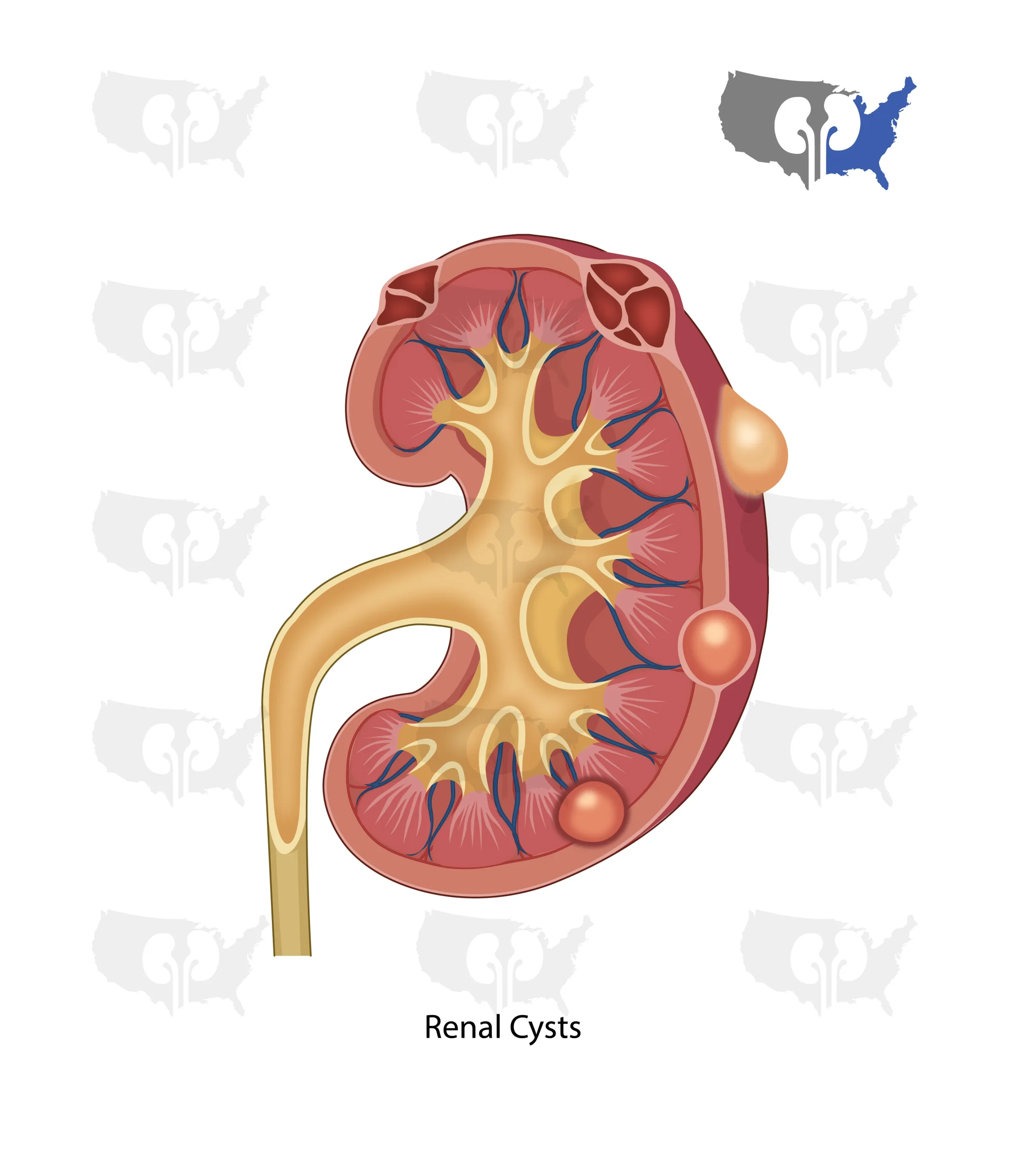
Renal cysts are fluid-filled sacs that form on or within the kidneys. They are often benign and common, especially in older adults. In most cases, renal cysts do not cause symptoms and are detected incidentally during imaging studies for unrelated conditions. However, some cysts can lead to complications and may require treatment.
At Crossroads Urology, we provide specialized care for renal cysts, offering personalized evaluations and advanced treatment options.
Types of Renal Cysts
- Simple Renal Cysts:
- Thin-walled, uniform fluid-filled sacs.
- Generally harmless and do not require treatment unless symptomatic.
- Complex Renal Cysts:
- Irregular walls, septations, or calcifications.
- May have a higher risk of being cancerous and typically require closer monitoring or treatment.
Symptoms of Renal Cysts
While many renal cysts remain asymptomatic, problematic cysts may cause:
- Flank or back pain
- Blood in the urine (hematuria)
- High blood pressure
- Recurrent urinary tract infections
- Kidney stones
Diagnosis
Diagnosis typically involves:
- Medical history and physical exam.
- Imaging studies:
- Ultrasound: To identify cyst size and location.
- CT scan or MRI: To assess cyst complexity and rule out malignancy.
Treatment Options
Treatment depends on the cyst type, size, and symptoms:
- Observation:
- Regular monitoring with imaging for asymptomatic simple cysts.
- Percutaneous Sclerotherapy:
- A minimally invasive procedure to drain the cyst and prevent recurrence by injecting a sclerosing agent.
- Laparoscopic Surgery:
- Removal of the cyst or affected kidney portion if symptoms persist or malignancy is suspected.
- Nephrectomy:
- Rarely, removal of the entire kidney may be required for cancerous or severely problematic cysts.
Maintaining Kidney Health
To support overall kidney health and reduce the risk of cyst development:
- Stay hydrated with adequate water intake.
- Eat a balanced diet rich in fruits, vegetables, and whole grains.
- Avoid smoking and excessive salt consumption.
- Schedule regular check-ups, especially if you have a family history of kidney disease.
Expert Care at Crossroads Urology
If you are concerned about renal cysts or have been diagnosed with a complex or symptomatic cyst, consult with the specialists at Crossroads Urology. Our team provides expert diagnosis and personalized treatment plans to protect your kidney health and ensure peace of mind.