

Comprehensive Overview
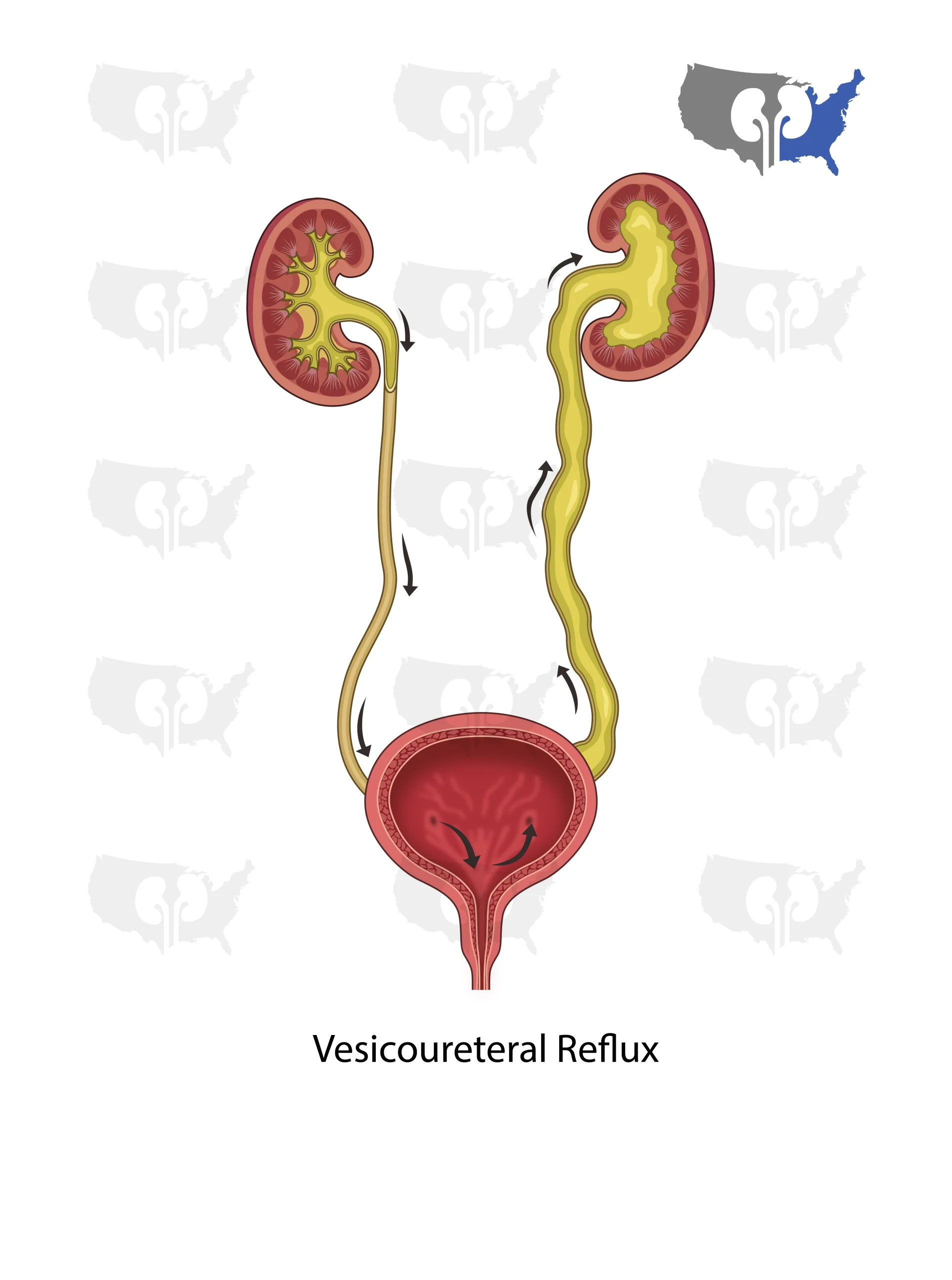
Vesicoureteral reflux (VUR) is a condition where urine flows backward from the bladder into the ureters and sometimes into the kidneys. This abnormal flow can lead to recurrent urinary tract infections (UTIs) and, in severe cases, kidney damage. At Crossroads Urology, we provide expert diagnosis and personalized treatment to manage VUR and prevent long-term complications.
Symptoms of Vesicoureteral Reflux
- Frequent UTIs, often with fever and abdominal or back pain.
- Pain or burning during urination.
- Cloudy or foul-smelling urine.
- Wetting accidents in children who are otherwise potty-trained.
- High blood pressure or swollen feet in severe cases of kidney damage.
If you or your child experience these symptoms, the team at Crossroads Urology can perform a comprehensive evaluation and recommend effective treatment options.
Causes and Risk Factors
VUR can be categorized into two types:
- Primary VUR: A congenital defect where the ureter does not properly close as the bladder fills, allowing urine to reflux.
- Secondary VUR: Caused by blockages or high bladder pressure due to conditions like bladder dysfunction or infections.
Risk factors for VUR include:
- Family history of the condition.
- Being female, as VUR is more common in girls.
- A history of recurrent UTIs.
At Crossroads Urology, we evaluate individual risk factors and use advanced diagnostic tools to determine the severity of VUR.
Diagnosis
Diagnosing VUR at Crossroads Urology involves:
- Medical history and physical examination: Assessing symptoms and evaluating urinary tract function.
- Urinalysis: Detecting signs of infection or other abnormalities.
- Ultrasound imaging: Identifying abnormalities in the kidneys and bladder.
- Voiding cystourethrogram (VCUG): A specialized X-ray to observe urine flow during urination and confirm reflux.
- Nuclear scans: Evaluating kidney function and detecting potential damage.
Treatment Options
Treatment for VUR depends on the severity and age of the patient:
- Observation: Mild cases may resolve naturally over time, especially in children.
- Antibiotic prophylaxis: Low-dose antibiotics to prevent UTIs while monitoring the condition.
- Minimally invasive procedures: Endoscopic injection of a bulking agent to correct reflux and improve valve function.
- Surgery: Ureteral reimplantation to repair the connection between the ureters and bladder in severe cases.
At Crossroads Urology, we use the latest techniques to treat VUR with minimal discomfort and optimal outcomes.
Preventing Complications
Prompt treatment and regular monitoring are essential to prevent complications such as kidney infections, scarring, or long-term damage. Routine follow-ups at Crossroads Urology ensure the condition is managed effectively.
Expert Care at Crossroads Urology
At Crossroads Urology, we are committed to providing compassionate, expert care for patients with vesicoureteral reflux. Whether you are seeking treatment for yourself or your child, our team offers personalized solutions to ensure the best possible outcomes. Contact us today to schedule a consultation.