

Introduction
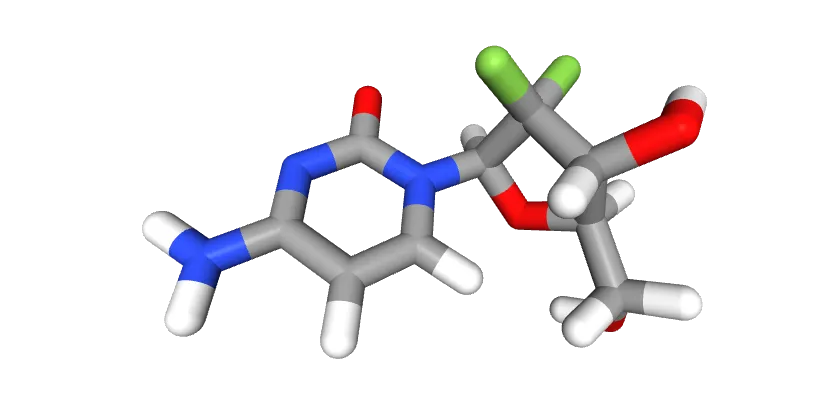
The combination of Gemcitabine and Docetaxel is an emerging intravesical chemotherapy regimen for treating non-muscle invasive bladder cancer (NMIBC). This therapy is particularly considered when Bacillus Calmette-Guérin (BCG) therapy is ineffective or unavailable. Recent studies suggest that this combination may serve as an effective alternative to BCG, offering promising outcomes for patients.
Purpose
- Treats high-risk NMIBC, especially in patients unresponsive to or unable to receive BCG therapy.
- Reduces the risk of cancer recurrence and progression.
- Provides an alternative treatment option amid BCG shortages.
How It Works
Gemcitabine and Docetaxel are chemotherapeutic agents that, when used sequentially, target cancer cells in the bladder lining. Gemcitabine inhibits DNA synthesis, while Docetaxel disrupts cell division, leading to cancer cell death. Administered directly into the bladder (intravesically), this combination delivers high concentrations of the drugs to the tumor site with minimal systemic exposure.
Usage
- Administered intravesically, typically on a weekly basis for six weeks (induction phase).
- Each session involves instilling Gemcitabine first, followed by Docetaxel, with each drug retained in the bladder for a specified duration before voiding.
- Maintenance therapy may follow, depending on individual response and physician recommendation.
Considerations
- Common side effects include bladder irritation, urinary frequency, and mild discomfort.
- Patients are monitored for signs of infection or adverse reactions.
- This regimen is under ongoing study, and patients should discuss potential risks and benefits with their healthcare provider.
At Crossroads Urology
At Crossroads Urology, we stay abreast of the latest advancements in bladder cancer treatment. Our providers evaluate the suitability of the Gemcitabine and Docetaxel combination for each patient, considering individual health profiles and treatment histories. We are committed to offering effective alternatives to BCG therapy, especially during periods of shortage.
Conclusion
The Gemcitabine and Docetaxel combination represents a promising alternative for managing high-risk NMIBC, particularly when BCG therapy is not an option. Ongoing research continues to support its efficacy and safety. Contact Crossroads Urology today to learn more about this treatment and how it may benefit you.