

Comprehensive Overview
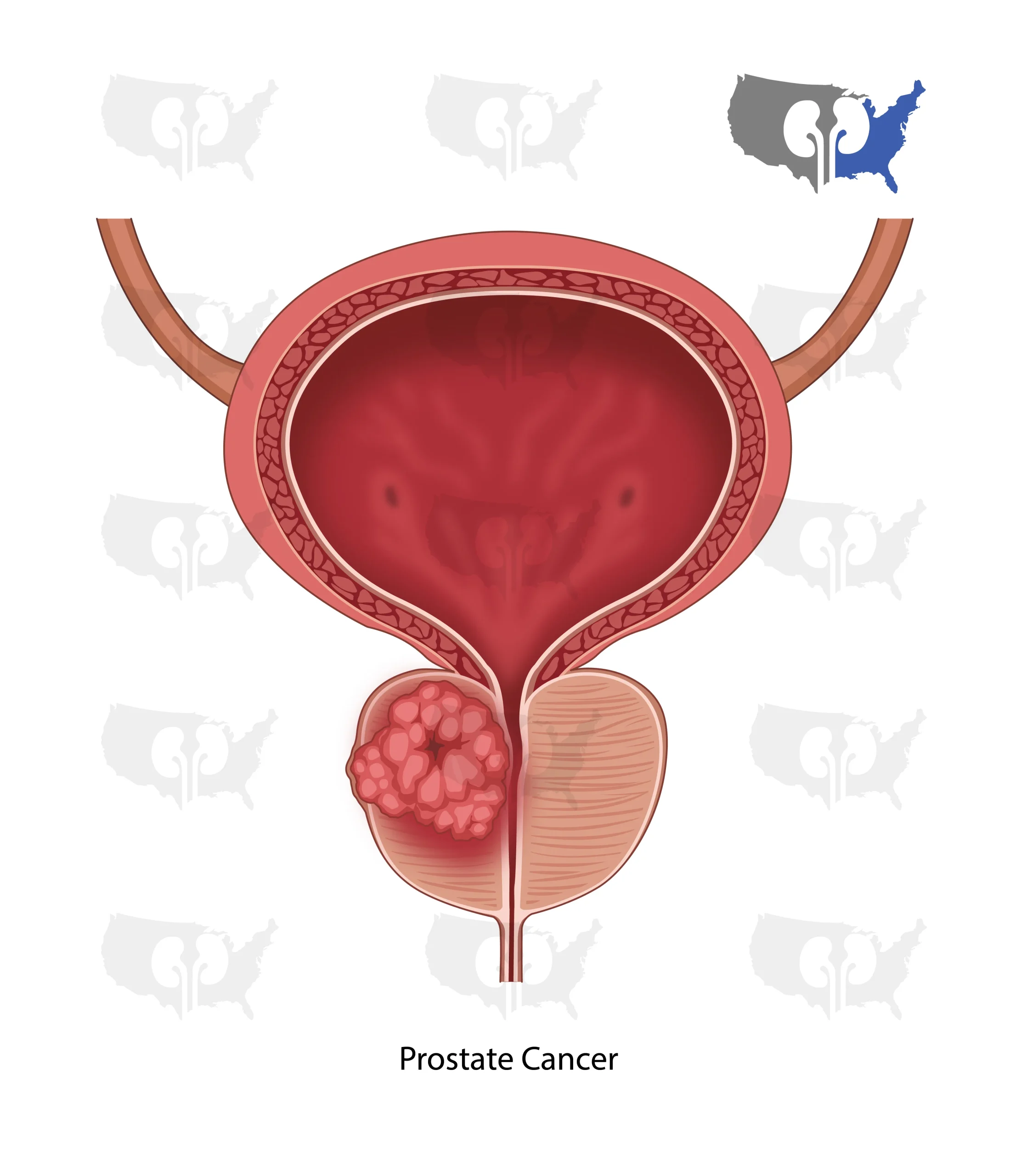
Prostate cancer is a type of cancer that develops in the prostate gland, a walnut-sized gland in the male reproductive system. It is one of the most common cancers in men, especially those over the age of 50. While many cases grow slowly and may not cause significant symptoms, aggressive forms of the disease can spread quickly and require prompt intervention.
At Crossroads Urology, we provide comprehensive care for prostate cancer, from early detection to advanced treatment options tailored to each patient’s needs.
Symptoms of Prostate Cancer
Prostate cancer often does not cause symptoms in its early stages. However, as it progresses, symptoms may include:
- Difficulty starting or stopping urination
- Weak or interrupted urine flow
- Frequent urination, particularly at night
- Pain or burning during urination
- Blood in the urine or semen
- Painful ejaculation
- Persistent pain in the lower back, hips, or thighs
Risk Factors for Prostate Cancer
While the exact cause of prostate cancer is unknown, several risk factors have been identified:
- Age: Most cases occur in men over 50.
- Family history: Having a close relative with prostate cancer increases risk.
- Race: African American men are at a higher risk.
- Genetic mutations: Certain inherited gene mutations, such as BRCA1 or BRCA2, can increase risk.
- Diet: Diets high in red meat and saturated fats may contribute to higher risk.
Diagnosis
To diagnose prostate cancer, your provider at Crossroads Urology may recommend:
- Digital rectal exam (DRE): To check for abnormalities in the prostate.
- Prostate-specific antigen (PSA) test: A blood test to measure PSA levels, which may be elevated in prostate cancer.
- Imaging: Techniques like MRI or ultrasound to visualize the prostate.
- Prostate biopsy: Collecting tissue samples for analysis to confirm cancer and determine its aggressiveness.
Treatment Options
Treatment for prostate cancer depends on its stage, growth rate, and the patient’s overall health. Options include:
- Active surveillance: Monitoring slow-growing cancer without immediate treatment.
- Surgery:
- Radical prostatectomy: Removal of the prostate gland, often performed using minimally invasive, robot-assisted techniques.
- Radiation therapy:
- External beam radiation or brachytherapy (radioactive seed implantation).
- Hormone therapy:
- Reducing testosterone levels to slow cancer growth.
- Chemotherapy:
- Used for advanced or resistant cancers.
- Immunotherapy:
- Stimulating the immune system to attack cancer cells.
- Targeted therapy:
- Drugs that focus on specific genetic changes in cancer cells.
Prevention and Early Detection
While not all cases can be prevented, steps to reduce risk include:
- Maintaining a healthy lifestyle with regular exercise and a balanced diet.
- Eating foods rich in fruits, vegetables, and whole grains while limiting red meat and saturated fats.
- Discussing screening options with your provider, especially if you have risk factors.
Expert Care at Crossroads Urology
At Crossroads Urology, our experienced team offers state-of-the-art diagnostics and personalized treatment plans to help patients manage prostate cancer effectively. Early detection and a tailored approach can significantly improve outcomes and quality of life.