

Comprehensive Overview
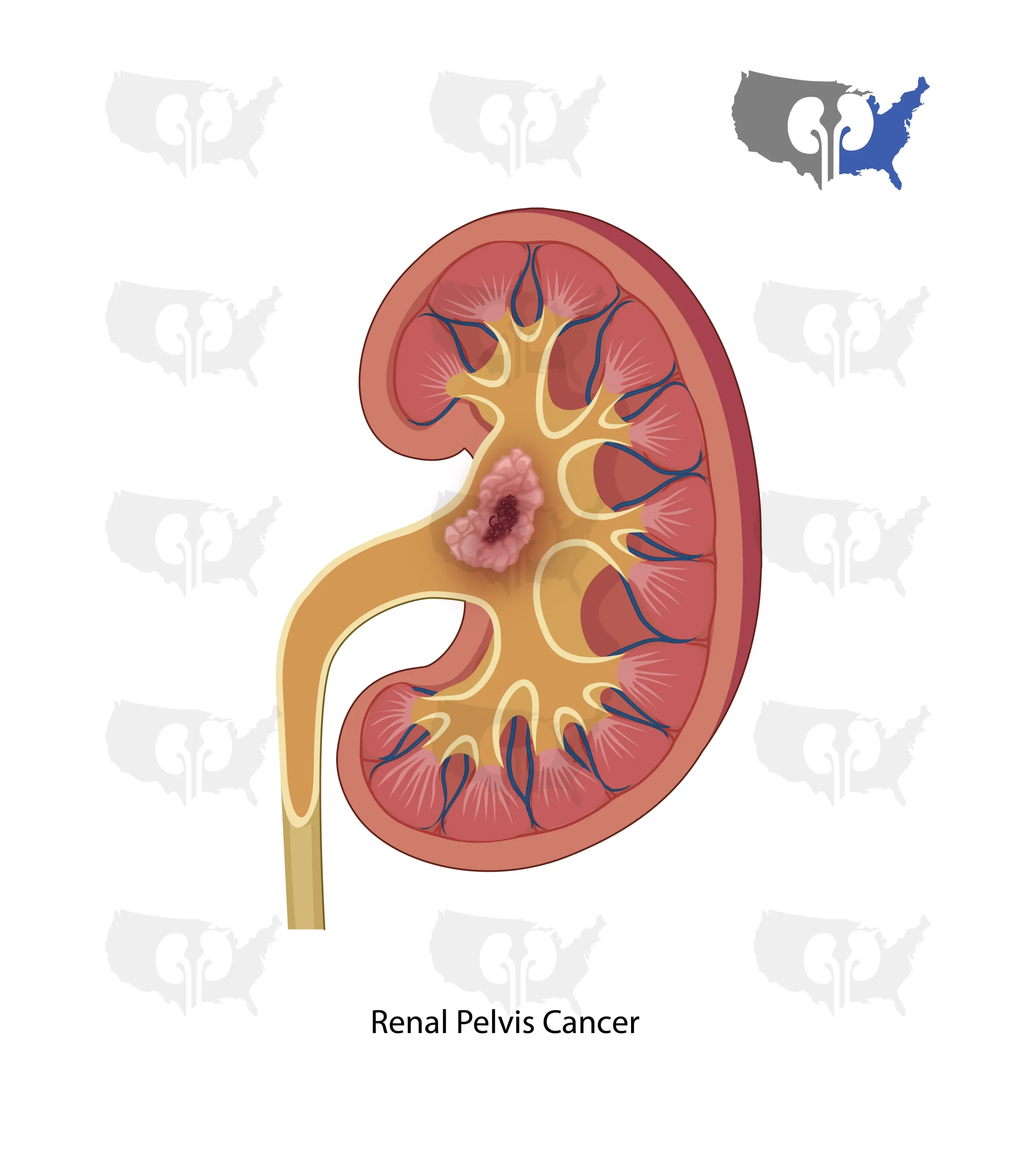
Renal pelvis cancer is a rare form of cancer that develops in the renal pelvis, the area of the kidney where urine collects before traveling to the bladder. This type of cancer is often referred to as urothelial carcinoma or transitional cell carcinoma (TCC) because it originates from the urothelial cells lining the renal pelvis. Renal pelvis cancer is more common in men and typically affects individuals over the age of 60.
At Crossroads Urology, we offer specialized care for renal pelvis cancer, emphasizing early detection and personalized treatment plans.
Symptoms of Renal Pelvis Cancer
In its early stages, renal pelvis cancer may not cause noticeable symptoms. As the disease progresses, symptoms may include:
- Blood in the urine (hematuria)
- Pain or discomfort in the side, back, or abdomen
- Frequent or painful urination
- Unintentional weight loss
- Fatigue or general malaise
Causes and Risk Factors
The exact cause of renal pelvis cancer is not fully understood, but several factors can increase the risk:
- Smoking:
- Tobacco use is a significant risk factor due to carcinogens excreted in the urine.
- Chemical Exposure:
- Prolonged exposure to certain industrial chemicals, such as those in the dye, leather, and rubber industries.
- Previous Bladder Cancer:
- Individuals with a history of bladder cancer are at higher risk.
- Chronic Infections:
- Chronic urinary tract infections (UTIs) or inflammation of the kidneys.
- Genetic and Familial Factors:
- A family history of urothelial cancers may increase risk.
Diagnosis
Diagnosis typically involves a combination of:
- Medical history and physical examination.
- Imaging studies:
- CT scan or MRI: To visualize the renal pelvis and assess tumor size or spread.
- Ultrasound: As an initial, non-invasive diagnostic tool.
- Ureteroscopy:
- A thin, flexible tube with a camera is inserted to examine the renal pelvis and collect biopsy samples.
- Urine Cytology:
- Analysis of urine for abnormal cells.
Treatment Options
Treatment depends on the stage, size, and location of the tumor, as well as the patient’s overall health:
- Surgery:
- Nephroureterectomy: Removal of the affected kidney, ureter, and surrounding tissue.
- Segmental Resection: Removal of part of the ureter in selected cases.
- Intracavitary Therapy:
- Jelmyto (mitomycin gel): Administered directly into the renal pelvis via a catheter for low-grade upper tract urothelial cancer.
- Chemotherapy:
- Systemic chemotherapy to kill cancer cells, often used before or after surgery.
- Radiation Therapy:
- High-energy rays target and destroy cancer cells. Typically used when surgery isn’t an option or as adjuvant therapy.
- Immunotherapy:
- Treatments that enhance the body’s immune system to fight cancer.
Prevention and Monitoring
To reduce the risk of renal pelvis cancer:
- Avoid smoking and secondhand smoke exposure.
- Limit exposure to harmful industrial chemicals.
- Stay hydrated to promote healthy kidney function.
- Schedule regular check-ups, especially if you have a history of bladder or kidney-related conditions.
Expert Care at Crossroads Urology
Due to its rarity and potential for severe complications, renal pelvis cancer requires specialized care. At Crossroads Urology, our experienced team is dedicated to offering advanced diagnostic tools and state-of-the-art treatment options to improve outcomes and quality of life.