

Comprehensive Overview
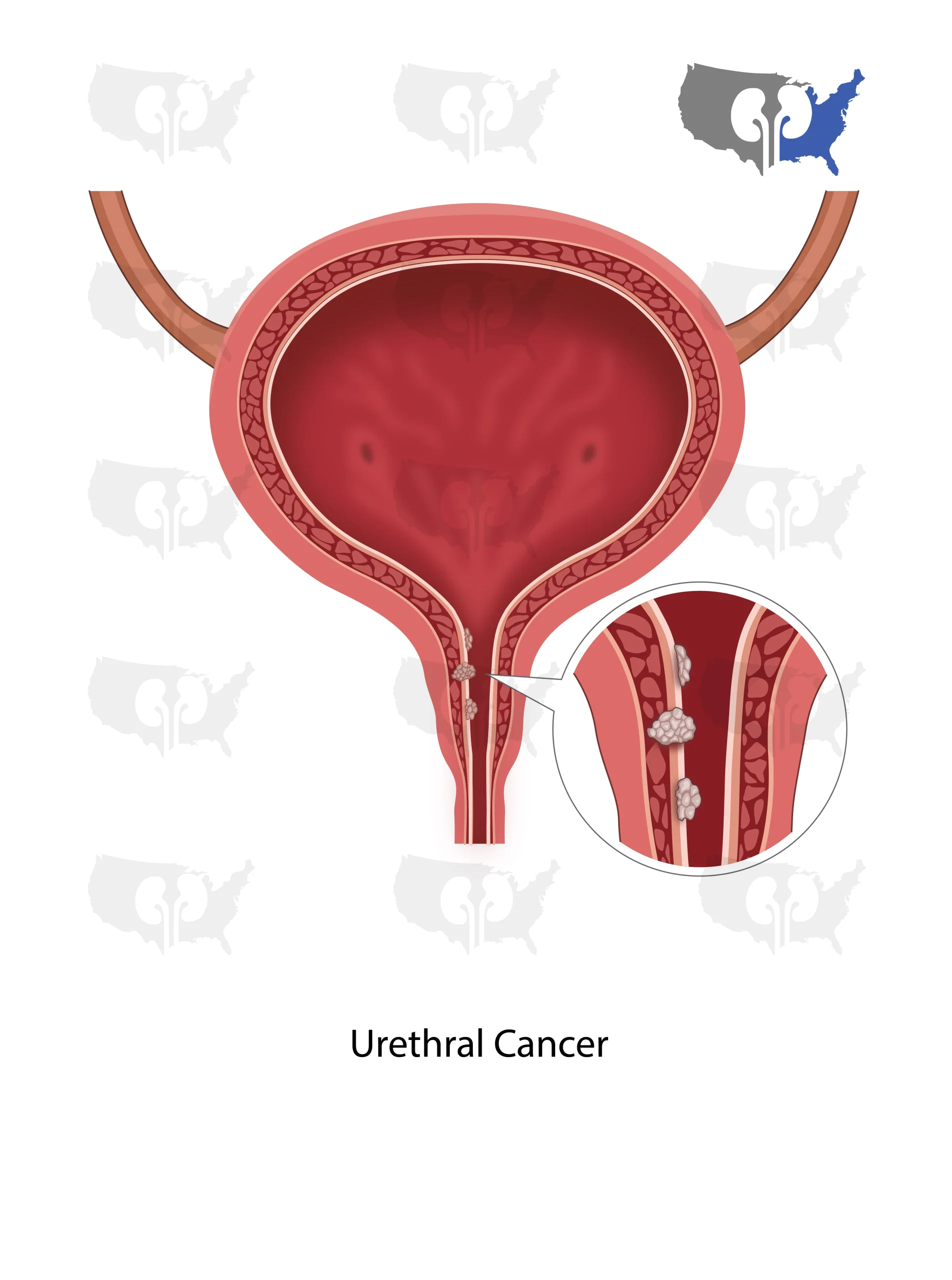
Urethral cancer is a rare cancer that occurs in the urethra, the tube that carries urine from the bladder to the outside of the body. It can affect both men and women, though it is more common in men. Early detection and specialized care are critical for achieving the best outcomes. At Crossroads Urology, our Urologic Cancer Center of Excellence offers advanced diagnostics and personalized treatment plans for this uncommon condition.
Symptoms of Urethral Cancer
- Blood in the urine (hematuria).
- Frequent or painful urination.
- Weak urine flow or difficulty urinating.
- A palpable lump or thickening in the perineum or penis.
- Discharge from the urethra.
If you notice these symptoms, the team at Crossroads Urology can provide a thorough evaluation and expert guidance.
Causes and Risk Factors
The exact cause of urethral cancer is unknown, but certain factors can increase risk:
- Age: Most common in individuals aged 60 and older.
- Gender: Men are at higher risk than women.
- Chronic inflammation or irritation: Recurrent UTIs, sexually transmitted infections, or prolonged use of urinary catheters.
- History of bladder cancer: Increases the likelihood of developing urethral cancer.
At Crossroads Urology, we assess individual risk factors and recommend tailored screenings for those at higher risk.
Diagnosis
Diagnosing urethral cancer at Crossroads Urology involves:
- Medical history and physical examination: Understanding symptoms and evaluating the urethra.
- Imaging studies: Ultrasound, CT scan, or MRI to identify abnormalities.
- Biopsy: Obtaining tissue samples to confirm the diagnosis and determine the cancer’s stage.
Our multidisciplinary approach ensures a precise diagnosis, enabling the creation of an effective treatment plan.
Treatment Options
Treatment for urethral cancer varies depending on the stage, size, and location of the tumor, as well as the patient’s overall health:
- Surgery: Removal of the tumor or affected section of the urethra. Advanced cases may require more extensive procedures to remove surrounding tissue or organs.
- Radiation therapy: High-energy rays target and destroy cancer cells, used alone or in combination with surgery.
- Chemotherapy: Medications to kill or slow the growth of cancer cells, often combined with other treatments.
At Crossroads Urology, our team collaborates with oncology specialists to ensure comprehensive care for every patient.
Preventing Complications
Early detection and prompt treatment are essential to prevent the progression of urethral cancer. Regular follow-ups at Crossroads Urology help monitor for recurrence and manage long-term health.
Expert Care at Crossroads Urology
Urethral cancer requires specialized care from experienced providers. At Crossroads Urology, we combine compassionate care with cutting-edge treatments to deliver the best outcomes for our patients. If you have concerns about urethral cancer or experience symptoms, contact us today to schedule a consultation and take the first step toward recovery.