

Comprehensive Overview
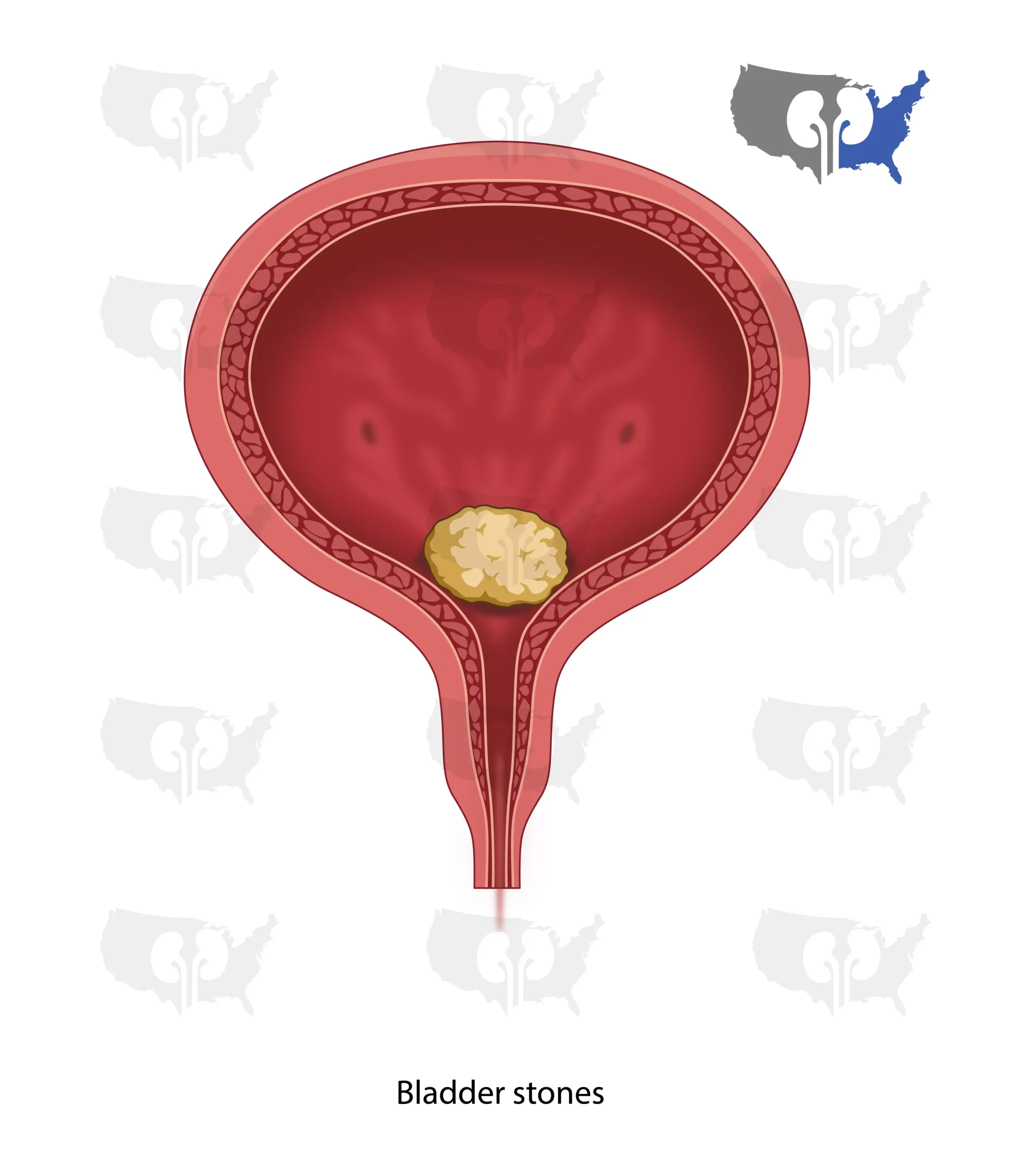
Bladder stones are hard mineral deposits that form in the bladder when urine becomes concentrated, leading to crystallization. These stones can vary in size from as small as a grain of sand to as large as a golf ball, causing discomfort, difficulty urinating, and urinary tract infections (UTIs). If left untreated, bladder stones can result in more severe complications, such as bladder damage or obstruction.
At Crossroads Urology, we offer expert care in diagnosing and treating bladder stones, helping patients prevent complications and improve their urinary health.
Causes of Bladder Stones
- Incomplete bladder emptying: When the bladder doesn’t completely empty, urine becomes concentrated, increasing the likelihood of stone formation.
- Urinary tract infections: Bacteria in the urinary tract can alter the chemical composition of urine, promoting the development of stones.
- Enlarged prostate: In men, an enlarged prostate can obstruct the flow of urine, allowing urine to pool in the bladder and increase the risk of stone formation.
- Medical devices: Bladder catheters and other urinary devices may irritate the bladder and contribute to stone formation.
- Congenital abnormalities: Some people are born with urinary tract abnormalities that increase their risk of developing bladder stones.
Symptoms of Bladder Stones
- Painful urination or abdominal discomfort
- Frequent or urgent need to urinate
- Blood in the urine
- Cloudy or foul-smelling urine
- Difficulty urinating or interrupted urine flow
Diagnosis
To diagnose bladder stones, your Crossroads Urology provider will perform a comprehensive evaluation, including:
- Medical history and physical examination
- Imaging tests: X-rays, CT scans, or ultrasounds may be used to detect and assess the size and number of stones.
Treatment Options
Treatment depends on the size of the stones and the underlying cause. Options may include:
- Increased fluid intake: Drinking more water can help flush out small bladder stones and prevent the formation of new ones.
- Medications: In some cases, medications may be prescribed to dissolve certain types of stones.
- Minimally invasive procedures: Smaller stones can often be removed or broken up using cystolitholapaxy or laser lithotripsy, both of which are non-surgical options that use specialized tools to break the stones into smaller pieces.
- Surgery: For larger stones or those causing significant complications, surgical removal (cystolithotomy) may be necessary.
Expert Care at Crossroads Urology
If you suspect you may have bladder stones, it is important to seek care from Crossroads Urology. Our skilled team will guide you through diagnosis and treatment options to ensure the best possible outcome and prevent future complications.